
Key takeaways
- The Light Bee is the lighter, more forgiving bike for trail riding and new off-road riders, while the Ultra Bee is the faster, higher-powered enduro machine.
- The 2025 Ultra Bee HP produces 21 kW peak in Turbo mode and tops out at 95 km/h, a clear step above the Light Bee.
- At around 88 kg the Ultra Bee is noticeably heavier than the Light Bee, which changes how each bike behaves in tight, technical terrain.
- The Ultra Bee's larger 74V battery delivers more usable range for long enduro days, while the Light Bee's lighter pack suits shorter trail loops.
- Choose the Light Bee if agility and easy handling matter most; choose the Ultra Bee if you want outright pace and power for serious enduro.
Pick the Light Bee if you want a lighter, more forgiving bike for trail riding and learning off-road. Pick the Ultra Bee if you want more power, more speed and a machine built for serious enduro. That single difference in character runs through every spec below, and it is the core of the Sur-Ron Light Bee vs Ultra Bee decision for European off-road riders.
Both bikes come from the same family and share the clean, quiet electric drivetrain that made Sur-Ron a household name among enduro, trail and trial enthusiasts. Where they split is intent. One is the agile all-rounder. The other is the hard-charging performance model. This guide compares the two across power, range, weight, handling and rider fit so you can order the right one with confidence.
Sur-Ron Light Bee vs Ultra Bee: power, torque and top speed
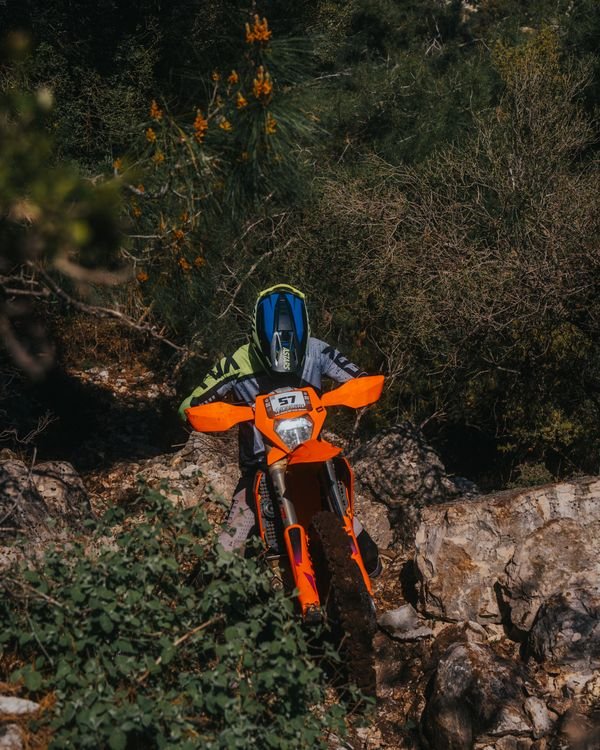
The Ultra Bee is the clear performance leader when you look at Sur-Ron models compared side by side. The 2025 Ultra Bee HP produces 21 kW peak in Turbo mode and 18 kW in Sport mode, with a top speed of 95 km/h (59 mph), according to hands-on testing by Cycle News. The same test recorded 511 Nm of torque measured at the wheel, which translates into strong, immediate drive out of corners and up steep climbs.
The Light Bee plays a different game. It is built around a smaller motor and a lower top speed, trading outright pace for a more manageable power delivery. For riders who spend their time on singletrack and technical trails rather than wide-open enduro loops, that lower ceiling actually helps. The power arrives in a way that is easier to meter when grip is scarce.
In practice the gap feels larger than the numbers suggest. The Ultra Bee's extra output and higher top speed make it feel like a small motocross bike, while the Light Bee behaves more like a nimble, lightweight trail tool. If your riding is about covering ground quickly and attacking obstacles, the Ultra Bee answers that. If it is about finesse and control, the Light Bee does.
Battery capacity and real-world range
Range follows power, and here the Ultra Bee again holds the advantage. Cycle News reports the 2025 Ultra Bee HP runs a 74V, 60Ah lithium-ion pack of roughly 4.4 kWh, with a claimed range of 114 km (71 miles) at a moderate pace and more than 96 km (60 miles) observed on trails during testing. That is enough for a full day of riding between charges for many riders.
The Light Bee uses a smaller, lighter battery. Its pack prioritises keeping overall weight down, which is central to the bike's agile character, so expect shorter range than the Ultra Bee on comparable terrain. For short trail loops, skills practice and riders who return to a charger between sessions, that is rarely a problem. For long enduro days far from power, the Ultra Bee's larger pack is the safer choice.
Charging is quick on both. The Ultra Bee HP recharges from 20 to 80 percent in about 2.5 hours and from empty to full in roughly 4 hours, per the Cycle News review. Faster charging and a bigger pack together mean the Ultra Bee spends more time riding and less time waiting when you are putting in big distances.
Weight, suspension and handling: enduro vs trail
Weight is the single biggest reason these bikes feel so different. The Ultra Bee HP weighs about 88 kg (195 lbs) ready to ride, with 239 mm (9.4 in) of suspension travel front and rear, according to Cycle News. That generous travel soaks up rocks and jumps and gives the bike a planted, confident feel at speed on rough enduro terrain.
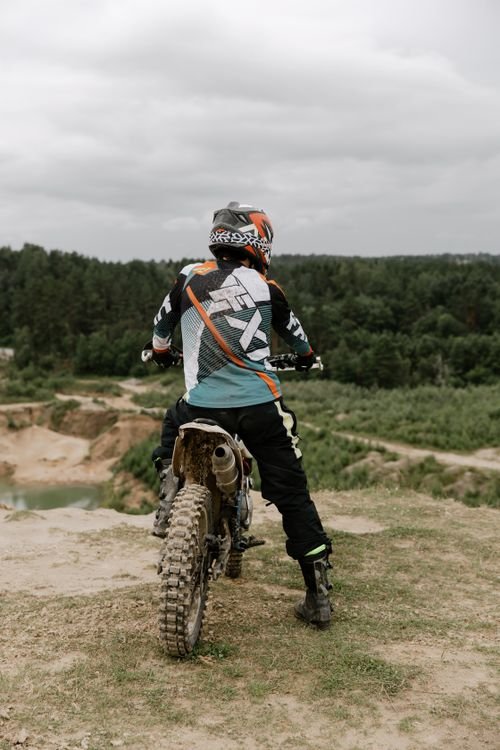
The Light Bee is considerably lighter, and that lower mass is its defining trait. A lighter bike is easier to pick up after a fall, easier to flick through tight trees and easier to place precisely on technical lines. Suspension travel is shorter than the Ultra Bee's, which suits its role as a trail and skills machine rather than a high-speed enduro weapon.
For context on where lightweight electric off-road bikes fit in the wider shift to electric mobility, the European Environment Agency tracks the growth of electric vehicles across the EU, a trend that now reaches well beyond cars into two-wheeled off-road machines like these.
The handling takeaway is simple. On open, fast, rough ground the Ultra Bee's travel and stability win. In slow, tight, technical terrain the Light Bee's low weight wins. Match the bike to the ground you actually ride.
Who each model suits: beginners vs experienced riders
The Light Bee is the more natural first electric dirt bike. Its lighter weight and gentler power make mistakes less costly and progress quicker, which matters when you are still building throttle control and reading terrain. Many riders use it as a learning platform and a trail bike for years without ever feeling they have outgrown it.
The Ultra Bee rewards experience. Its extra power and higher speed are genuinely useful once you can manage them, but they can overwhelm a newer rider in demanding conditions. Experienced enduro riders who want a bike that keeps up with gas-powered machines on fast trails will find the Ultra Bee far more satisfying.
There is also a middle group: capable riders stepping up from the Light Bee who want more performance without switching to a petrol enduro bike. For them the Ultra Bee is the logical next bike, offering a clear jump in capability while keeping the quiet, low-maintenance electric drivetrain they already know.
Our recommendation for European off-road riders
For most new and trail-focused European riders, the Light Bee is the smarter buy. It is lighter, easier to handle and better suited to the mixed forest trails and technical terrain common across the EU, and it keeps running costs and complexity low. It is the bike that gets ridden more often because it is less intimidating.
Riders chasing performance should go straight to the Ultra Bee. The verified power, speed and range figures above show a real step up for serious enduro use, and experienced riders will use every bit of it. If your weekends are about fast trails, long days and keeping pace with petrol bikes, the Ultra Bee is worth the extra weight and outlay.
Still deciding where to get one or how to register it for your country? Read our guide on where to buy a Sur-Ron electric dirt bike in Europe, then talk to the Surronbikes team about matching a Light Bee or Ultra Bee to your riding and local rules.
Frequently asked questions
Is the Sur-Ron Ultra Bee faster than the Light Bee?
Yes. The 2025 Ultra Bee HP reaches about 95 km/h and makes 21 kW peak in Turbo mode, while the Light Bee tops out lower and makes less power. The Ultra Bee is the faster, stronger bike.
Which Sur-Ron is better for beginners?
The Light Bee is the easier starting point. It is lighter and less powerful, which makes it more forgiving to control on trails while you build off-road skills.
Is the Ultra Bee too heavy for tight trails?
At roughly 88 kg the Ultra Bee is heavier than the Light Bee, so it takes more effort in very tight, technical sections. On open enduro trails that extra mass is less of an issue.
Can I ride either Sur-Ron on public roads in Europe?
Both are sold mainly as off-road bikes. Road-legal status depends on your country's registration rules and any homologated version offered locally, so check national requirements before riding on public roads.