
Key takeaways
- The best legal riding comes from licensed enduro parks and verified trail networks like the Trans Euro Trail, not improvised forest tracks.
- The Trans Euro Trail links roughly 100,000 km of mostly unpaved tracks across 34 or more countries, with France alone contributing 5,954 km.
- Off-road access rules vary sharply by country: riding off-track in a French natural area can cost 1,500 euros for a first offence.
- A Sur-Ron suits tight, technical singletrack and park loops better than long point-to-point routes, so plan charging around its real range.
- Protecting access matters more than any single trail: stay on legal tracks, respect quiet hours, and ride where electric bikes are welcomed.
The best enduro trails in Europe for electric dirt bikes are the licensed parks and verified trail networks that legally welcome motor vehicles, from the BMW Enduro Park in Hechlingen to the vast Trans Euro Trail. A quiet, torque-rich bike like a Sur-Ron shines on these tracks, but only if you ride where access is protected and permits are in order.
This guide covers the legal off-road and enduro parks worth planning a trip around, the trails that genuinely suit the Sur-Ron range, how access and permits work country by country, how to plan charging on longer rides, and the etiquette that keeps these places open to the next rider.
What Makes the Best Enduro Trails in Europe for Electric Dirt Bikes?
The best enduro trails in Europe combine legal access, varied terrain, and an openness to electric machines. The Trans Euro Trail alone strings together roughly 100,000 km of mostly unpaved tracks across 34 or more countries (Wikipedia, 2025). That scale means most riders are within a day of a legal, scenic route.
Electric dirt bikes change what counts as a good trail. Near-silent running and instant torque make tight, technical singletrack rewarding, and they let you ride closer to villages and wildlife without the noise complaints that plague petrol machines. The trade-off is range, so the ideal trail is a loop or a network with reliable power nearby.
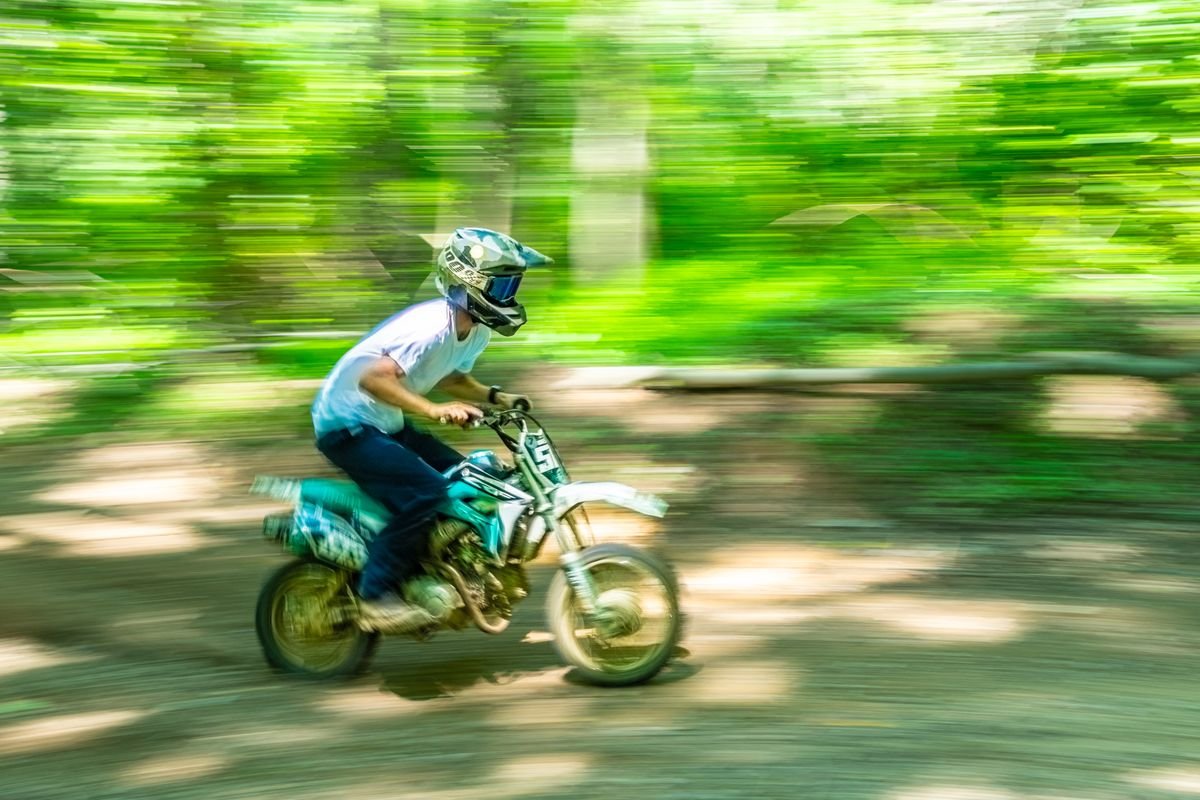
A strong trail also offers a progression. Beginners want gentle gravel and flat forest tracks, while experienced riders chase climbs, roots, and water crossings. Parks that grade their routes let a mixed group ride together, which is why organised venues often beat scattered informal tracks for a day out.
Which Legal Off-Road and Enduro Parks Stand Out Across the EU?
Licensed parks give you legal certainty, graded terrain, and often on-site training, which makes them the safest first stop for electric riders. Across the EU, a handful consistently draw enduro enthusiasts, and several already feature electric machines in their events.
In Germany, the BMW Enduro Park at Hechlingen in Bavaria is one of the continent's best-known training centres, with water crossings, steep slopes, mud, and gravel spread across a dedicated site. Bookings and instruction are the norm rather than open riding, so plan ahead and confirm electric bikes are welcome.
Also in Germany, the Teutschenthal circuit near Halle hosts top-level motocross and has run electric machines in its support classes, a sign that venues are adapting to the shift toward electric. France offers large private estates such as the enduro grounds around Château de Lastours, where kilometres of private tracks wind through vineyards and scrub.
Spain and Portugal reward riders who travel in spring and autumn, when dry trails open up and summer fire-season closures lift. Hard enduro events in northern Spain, around towns like Aguilar de Campoo, show off the rocky, technical terrain the region is known for. Choosing a capable, well-sorted electric dirt bike matters as much as the venue when the climbs turn rough.
Which Trails Suit the Sur-Ron Range and Power?
Sur-Ron models suit tight, technical riding and park loops more than long point-to-point epics, because their real-world range favours shorter, repeatable sessions. The light weight and instant torque make them superb on singletrack, switchbacks, and short steep climbs where a heavier petrol enduro bike feels clumsy.
That strength shapes trail choice. Forest singletrack, pump-track-style flow trails, and compact park loops play to the Sur-Ron's agility. Long desert-style transits across a whole country are better suited to larger adventure machines, though you can still link Sur-Ron-friendly segments of a bigger network like the Trans Euro Trail.
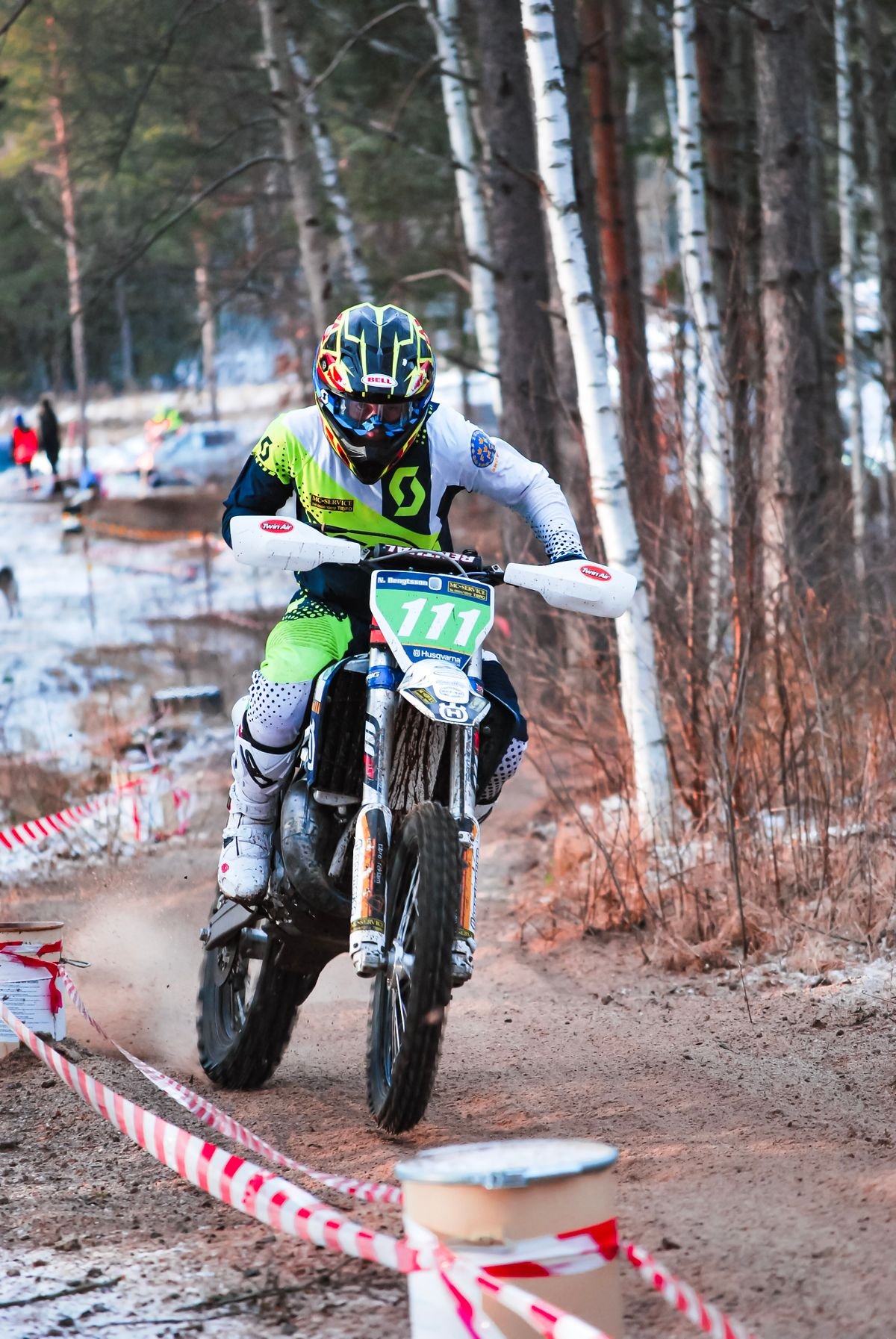
Terrain and tyres matter as much as the trail map. Rocky Iberian climbs and muddy German forests demand different rubber, so match your setup to where you ride. Our guide to choosing the right tyres for your Sur-Ron walks through the trade-offs between grip, durability, and rolling resistance on mixed European terrain.
What Should You Know About Access and Permits?
Access rules for off-road riding differ sharply across Europe, and getting them wrong is expensive. In France, riding a motor vehicle off classified tracks in a natural area carries a fine of 1,500 euros for a first offence, rising to 3,000 euros for a repeat and far higher inside protected zones (Horotag, 2025).
The broad pattern is that motor vehicles, including electric dirt bikes, are allowed only where expressly permitted. Germany limits riding to licensed parks, training grounds, and private land with the owner's consent. France restricts motor traffic to classified public roads, authorised rural tracks, and licensed circuits. Spain generally bans motor traffic on unpaved trails narrower than four metres, with rules tightening further in some regions.
One point trips up many electric riders: right-to-roam laws in the Nordic countries and Scotland cover walkers and cyclists, not motorbikes. Electric dirt bikes are treated as mopeds or light motorcycles, so street-legal use needs homologation, lights, registration, and insurance. Switching a bike into an unrestricted off-road mode can void that road legality, so keep it road-configured for any public track. Sorting the registration, plates, and insurance before you travel saves a wasted trip.
How Do You Plan Charging Stops for Longer Rides?
Plan charging around your bike's real range, not its headline figure, and build your route as a loop that returns to a known power source. On a technical enduro trail, aggressive riding drains a battery far faster than a steady commute, so treat conservative range estimates as your working budget.
The simplest approach is a base-camp model. Use a campsite, guesthouse, trailhead cafe, or park facility as your charging hub, then ride out-and-back or loop sessions that always bring you home with charge to spare. Confirm socket access and charging times in advance, and carry your own charger and a suitable adapter for the country you visit.
Battery care over a multi-day trip pays off in both range and lifespan. Avoid charging a hot pack straight after a hard session, and store the bike at a sensible state of charge overnight. Good battery habits keep range healthy across a full touring week.
How Do Riders Protect Trail Access Through Etiquette?
Good etiquette is the single most important factor in keeping trails open, because access is granted locally and lost locally. Most organised trail communities ride in small numbers and stick to legal tracks, which keeps complaints down and goodwill up. The near-silence of an electric bike is a genuine asset here, so use it.
The basics are simple. Stay on legal, waymarked tracks and never cut across virgin ground or wildlife habitat. Slow right down near walkers, horses, farms, and homes, and pass with a wave rather than a throttle blip. Take your litter home, close every gate you open, and avoid riding fragile trails when they are waterlogged and easily scarred.
Volunteer trail networks and local clubs do the quiet work of negotiating access with landowners and authorities. Riding responsibly protects that work, and it protects the welcome that electric dirt bikes are only just earning in many European riding areas. Ride like a guest, and the best trails stay open for everyone who follows.
The strongest next step is to plan one specific trip: pick a licensed park or a verified Trans Euro Trail segment near you, confirm its rules for electric bikes, book any required session, and map your charging base before you load the van. One well-planned legal ride does more for your season, and for trail access, than a dozen improvised outings.
Frequently asked questions
Can I ride a Sur-Ron on the Trans Euro Trail?
Much of the Trans Euro Trail runs on legal public unpaved tracks, so a road-registered Sur-Ron can ride those sections. Keep the bike in its homologated road configuration, carry insurance and registration, and check local rules for each country you pass through.
Are electric dirt bikes allowed in European enduro parks?
Many licensed parks welcome electric bikes, and some even run dedicated electric classes, but policies differ by venue. Contact the park before you travel to confirm that your model and tyres are accepted on their tracks.
Do I need a permit to ride off-road in Europe?
It depends on the country. Germany limits riding to authorised parks and private land with permission, France restricts motor vehicles to classified tracks and licensed circuits, and Spain generally bans motor traffic on trails under four metres wide.
How do I plan charging for a long enduro ride?
Map your route around the Sur-Ron's real range, ride loops that return to a known power source, and treat your campsite, hotel, or a trailhead cafe as your charging base. Carry your charger and confirm socket access in advance.