
Key takeaways
- Electric dirt bikes deliver full torque from a standstill, while petrol engines must climb through the rev range first.
- Charging an electric bike costs a fraction of running a petrol machine, and there is far less servicing to pay for.
- Electric dirt bikes run roughly 20 to 40 dB quieter than petrol, which helps keep trails open to riders.
- Petrol still wins on quick refuelling for all-day backcountry trips, but charging covers most riding days comfortably.
- Tighter European noise rules are pushing more riders toward quiet, zero-emission electric machines.
For most riders on European trails today, an electric dirt bike wins on cost, noise and trail access, while petrol still holds an edge for long days deep in the backcountry. The electric vs petrol dirt bike question really comes down to where and how you ride, not which technology is better in the abstract. This guide compares the two on performance, running costs, noise, emissions and range so you can match the machine to your riding.
Electric machines like the Sur-Ron range have moved this from a fringe debate into a mainstream choice. The gap in capability has closed fast, and the electric dirt bike benefits now stack up for a large share of riders.
Electric vs Petrol Dirt Bike: Performance and Torque Compared
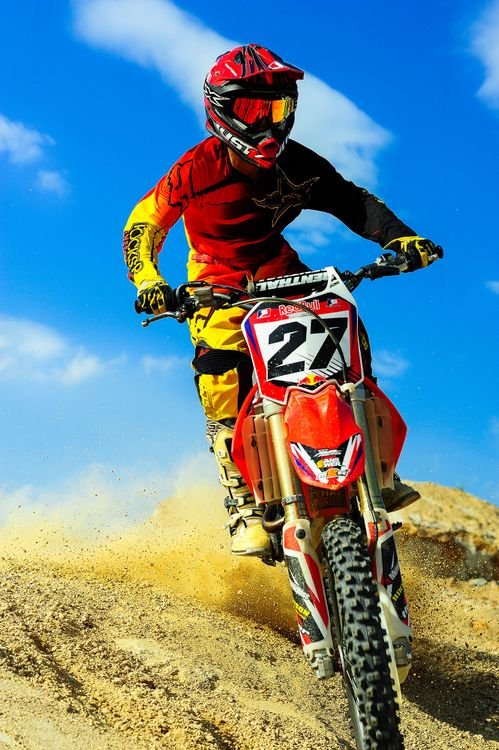
The biggest difference you feel on the first ride is how power arrives. An electric motor produces full torque from zero RPM. Twist the throttle and the bike pulls immediately, with no clutch work and no waiting for the engine to reach its powerband. On technical terrain, where you are constantly climbing out of ruts and clearing obstacles from low speed, that instant response is a real advantage.
A petrol engine behaves differently. Torque builds as revs rise, so you learn to keep the engine in its sweet spot using the clutch and gearbox. Experienced riders often enjoy that control, and on long, fast sections a petrol bike can hold a higher sustained top speed. For raw acceleration out of a corner, though, instant electric torque is hard to beat.
Electric power delivery is also more predictable. There is no stalling, no flooding and no kickstart drama. If you are coming to off-road riding for the first time, that smoother learning curve matters. Electric machines can also be sharpened considerably with the right modifications if you want more aggressive character.
Running Costs: Electricity vs Fuel and Maintenance
This is where electric pulls clearly ahead. Charging a battery costs a small fraction of filling a tank. An independent analysis by TopSpeed put the energy cost of an electric motorcycle at around $0.01 per mile against roughly $0.09 per mile for gasoline, close to a nine-fold difference. Over a riding season, that gap adds up quickly.
Maintenance tells a similar story. A petrol dirt bike needs regular oil changes, air filter cleaning, spark plugs, clutch parts and periodic top-end work. An electric drivetrain has none of that. The same TopSpeed analysis estimated maintenance savings of over $1,000 per year for an electric motorcycle compared with a petrol equivalent. There is no oil to change and no fuel system to foul up.
The main running-cost item that remains is the battery, and looking after it well protects your investment. A few simple charging and storage habits keep capacity healthy over years of use. Factor in lower energy and service costs, and the total cost of ownership often favours electric even when the purchase price is similar.
Noise, Emissions and Trail Access Advantages
Noise is one of the strongest electric dirt bike benefits, and it is increasingly tied to where you are even allowed to ride. An electric bike runs at roughly conversation-level volume, while a petrol dirt bike can reach levels closer to a chainsaw. In practical terms electric machines are usually tens of decibels quieter, which changes how neighbours, other trail users and land managers react to you.
That matters because European regulators keep tightening the rules. A revised UN-ECE noise standard, Regulation R41.05, took effect in January 2025. According to motorcycle publication VisorDown, the updated test is taken at up to 80 per cent of maximum engine speed across 10 to 100 km/h in all gears, producing four times the number of measurements of the old standard. National bodies have moved in the same direction, with several European countries cutting the noise ceilings for off-road competition machines in recent years.
Emissions are the other half of the picture. An electric bike produces nothing at the point of use, so there is no exhaust, no fumes and no risk of sparking dry ground. For protected areas, shared trails and private land where access depends on keeping noise and pollution down, a quiet, clean bike is far easier to justify. Many land managers set access rules around noise first, so electric riders simply face fewer closed gates.
Range, Refuelling and Ride-Time Realities
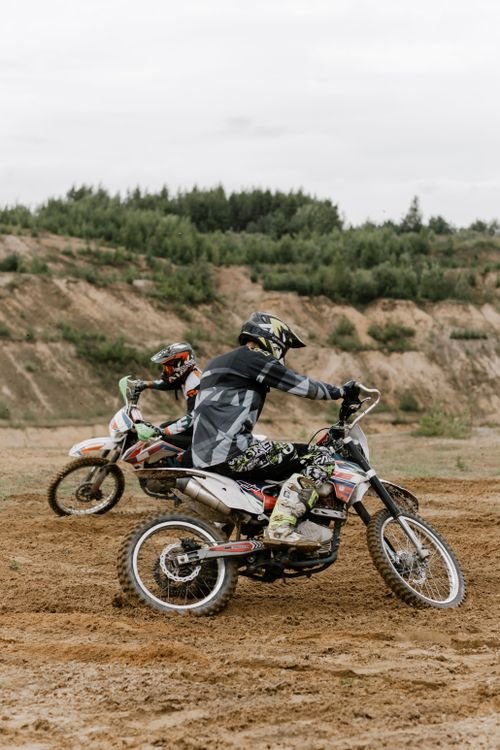
Range is where petrol still has an honest advantage. A tank refills in a couple of minutes, so a petrol bike can keep going all day if you carry fuel. An electric bike needs time plugged in, and in remote country without power that is a genuine constraint on a long expedition.
For most real riding days, though, electric range is enough. A typical trail session involves stops, varied terrain and a mix of speeds, and a modern electric dirt bike comfortably covers that kind of outing on a charge. How far you actually get depends heavily on terrain, rider weight and how hard you ride, which is exactly why real-world figures differ from headline claims.
There are practical workarounds, too. A spare battery swaps in quickly, turning a charging stop into a change that takes seconds. Many riders charge overnight at home and simply start each day full, which removes the fuel-station habit entirely. If your riding is day trips from a base rather than multi-day crossings far from the grid, range stops being the deciding factor.
Why More European Riders Are Switching to Electric
Put the pieces together and the shift makes sense. Instant torque suits technical riding, running costs are dramatically lower, and the quiet, clean nature of electric machines keeps riders on the right side of ever-stricter noise rules. For a rider whose outings fit inside a day of trail time, the electric dirt bike benefits outweigh the one area where petrol still leads.
The practical experience matters as well. No kickstarting on a cold morning, no fuel to mix or store, and far less time spent on maintenance. That leaves more time to ride. Across Europe, tighter emissions and noise regulations are nudging the whole off-road community in the same direction, and the hardware has matured enough to meet riders where they are.
If you are weighing your first electric machine, start with our Sur-Ron buying guide for choosing your first e-dirt bike. It lays out the models, the key specs and the questions worth asking before you commit, so you can decide whether electric is the right fit for the way you actually ride.
Frequently asked questions
Is an electric dirt bike faster than a petrol one?
Off the line, usually yes. Electric motors deliver full torque instantly, so acceleration out of corners and over obstacles feels sharper. Petrol bikes can hold a higher sustained top speed on long straights.
Are electric dirt bikes cheaper to run than petrol?
Yes. Electricity costs far less per mile than fuel, and electric drivetrains have no oil, filters, spark plugs or clutch to service, so annual running costs are much lower.
Why are electric dirt bikes allowed on more trails?
They are far quieter and produce no exhaust emissions at the point of use. Many land managers restrict access based on noise, so a quiet electric bike faces fewer closures.
Can an electric dirt bike match a petrol bike on range?
For a typical day of trail riding, yes. For remote all-day expeditions far from power, petrol still has the edge because refuelling takes minutes while charging takes longer.