
Key takeaways
- Electric dirt bike prices in 2026 span roughly 1,500 euro for youth models to well over 12,000 euro for high-performance race machines.
- The battery is the single biggest cost driver, and lithium-ion pack prices fell to 108 dollars per kWh in 2025, down 8% year on year (BloombergNEF).
- Sur-Ron sits in the mid-range for performance electric dirt bikes, offering more watt-hours per euro than most premium rivals.
- Budget an extra 15% to 30% on top of the sticker price for shipping, protective gear, insurance and early upgrades.
- European buyers get the best value by buying from an EU-based dealer with local stock, a warranty and spare-part support.
A capable adult electric dirt bike costs between roughly 4,000 and 8,000 euro in 2026, with youth models from about 1,500 euro and race-ready machines climbing past 12,000 euro. The electric dirt bike price you actually pay depends mostly on the battery size, the motor and the build quality, plus a stack of extras that rarely appear on the product page. This guide breaks down the full picture so you can compare brands and budget with confidence before you buy.
Prices moved for a reason this year. Battery costs, which make up the largest slice of any electric dirt bike price, keep falling, and that shift is slowly reaching riders. Below you will find typical ranges, the parts that drive the number, how Sur-Ron compares, and the hidden costs most first-time buyers miss.
What Is a Typical Electric Dirt Bike Price Range?
Electric dirt bikes in 2026 fall into three broad price bands: youth and entry models from about 1,500 to 3,500 euro, mid-range trail and enduro bikes from 4,000 to 8,000 euro, and high-performance machines from 9,000 to well past 12,000 euro. The demand behind these prices is real. The European electric motorcycle and scooter market was valued at 906.9 million dollars in 2025 (Global Market Insights, 2026).
Entry models suit lighter riders, short rides and lower top speeds. Mid-range bikes are where most adult off-road riders land, because they balance range, power and weight. The high-performance tier buys you bigger batteries, stronger motors and race-grade suspension.
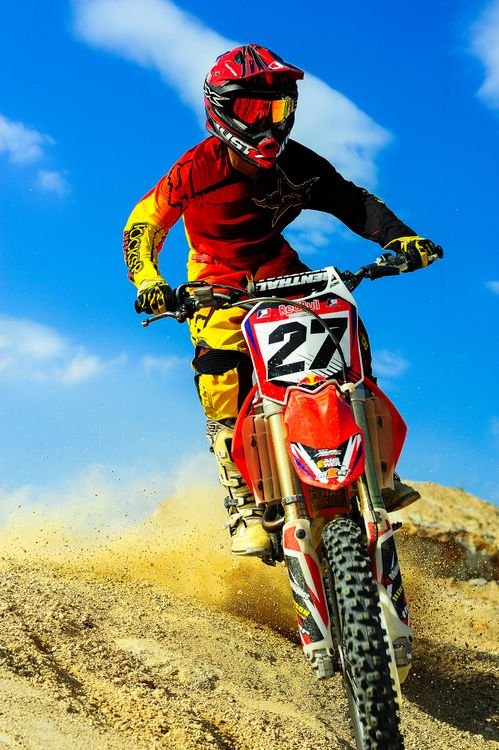
Where you ride matters too. A bike built for gentle trails does not need the same hardware as one meant for steep enduro climbs, and the price reflects that gap.
What Drives the Cost: Battery, Motor and Build Quality?
The battery is the single biggest cost driver in any electric dirt bike, followed by the motor and the frame. Lithium-ion battery pack prices fell to 108 dollars per kWh in 2025, down 8% year on year (BloombergNEF via pv magazine, 2025). Even with that decline, a large high-discharge pack remains the most expensive component on the bike.
A bigger battery means more range and more usable power, so it pushes the price up fast. The motor is next. A higher continuous power rating and better cooling cost more to build. Frame quality, suspension travel and brake hardware then separate a bike that survives real off-road abuse from one that loosens up after a season.
Battery technology keeps improving in the buyer's favour. The same BloombergNEF survey notes pack prices have fallen 93% since 2010. That long slide is why a mid-range electric dirt bike today offers far more range per euro than one from a few years back.
Looking after that expensive pack protects your investment, since good charging habits stretch pack lifespan and resale value.
How Does Sur-Ron Pricing Compare to Other Brands?
Sur-Ron sits in the mid-range for performance electric dirt bikes and tends to deliver more watt-hours and torque per euro than premium rivals. Models like the Light Bee and Ultra Bee typically land in the 4,000 to 8,000 euro band, below many European and American competitors that charge a premium for comparable power and range.
The value case is straightforward. A rider comparing two bikes with similar battery capacity and motor output will often find the Sur-Ron priced lower, with a large aftermarket for parts and upgrades. That aftermarket also keeps long-term ownership costs down, since spares are widely available and competitively priced.
Choosing between Sur-Ron models is its own decision. The two most popular options, the Light Bee and the Ultra Bee, differ in power, range and price, so match the model to the riding you actually plan to do.
Brand pricing also reflects where a bike is built and supported. Some premium names charge more for racing pedigree or dealer networks. Sur-Ron competes by keeping the core hardware strong and the price accessible, which is why it shows up so often on shortlists for first-time electric off-road buyers.
What Are the Hidden Costs: Shipping, Gear, Insurance and Upgrades?
Beyond the sticker price, plan for shipping, protective gear, insurance and early upgrades, which together often add 15% to 30% to your total spend. These costs catch out first-time buyers who budget only for the bike itself.
Shipping a heavy bike across borders is not cheap, and importing from outside the EU can trigger customs duty and VAT on top. Gear is non-negotiable for off-road riding: a proper helmet, goggles, body armour, gloves and boots add up quickly. Insurance may be required depending on your country and how the bike is classified.
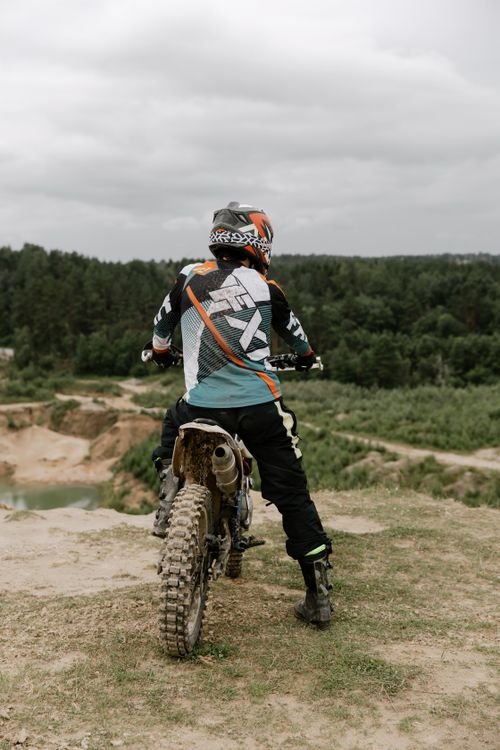
Then come the upgrades. Many riders swap tyres, add a faster charger, or fit stronger brakes within the first year. None of these are strictly required, but they are common enough that smart buyers set aside a cushion from the start.
How Can European Buyers Get the Best Value?
European buyers get the best value by purchasing from an EU-based dealer with local stock, a warranty and spare-part support. This avoids the customs delays, import-duty surprises and long parts waits that come with buying from outside the bloc. Europe is still a small slice of the global electric two-wheeler market, so local support networks vary a lot from one country to the next.
A local dealer also means faster warranty claims and someone to call when a part fails. That service value is easy to overlook when you are chasing the lowest headline price online.
Compare the total cost of ownership, not just the purchase price. A slightly higher upfront electric dirt bike price from a supported EU seller often works out cheaper once you factor in shipping, duty and the risk of orphaned spares. For a practical starting point, see our guide on where to buy a Sur-Ron electric dirt bike in Europe.
Timing helps too. With battery costs still falling, mid-range bikes keep getting better specified for the money, so you rarely need to overspend on the top tier to get a bike that handles real trails.
Your next step is simple: set a realistic total budget that includes gear and shipping, shortlist two or three models in your price band, and buy from an EU dealer that stocks spares for the bike you choose. Browse the current Surronbikes range with that budget in hand, and you will know exactly what you are paying for.
Frequently asked questions
How much does a good electric dirt bike cost in 2026?
A capable adult electric dirt bike costs between roughly 4,000 and 8,000 euro in 2026. Entry youth models start near 1,500 euro, while high-performance race bikes run past 12,000 euro.
Why are electric dirt bikes so expensive?
The battery drives most of the cost. Even though lithium-ion pack prices fell to 108 dollars per kWh in 2025, a large, high-discharge pack plus a quality motor and frame still account for most of the price.
Is a Sur-Ron worth the price?
For riders who want trail-ready performance without the running costs of a petrol bike, a Sur-Ron offers strong value. It delivers more watt-hours and torque per euro than most premium electric competitors.
What hidden costs come with an electric dirt bike?
Plan for shipping, a helmet and body armour, insurance where required, and early upgrades such as tyres or a faster charger. These extras often add 15% to 30% to the purchase price.
Where should European buyers purchase an electric dirt bike?
Buy from an EU-based dealer that holds local stock and offers a warranty with spare-part support. This avoids customs delays, import duty surprises and long waits for replacement parts.